Get In Touch
Every great partnership starts with a conversation.
Every great partnership starts with a conversation.

CONTACTS
Plot 16, Bayan Lepas Technoplex, Industrial Zone Phase 4, 11900 Bayan Lepas, Penang, Malaysia.

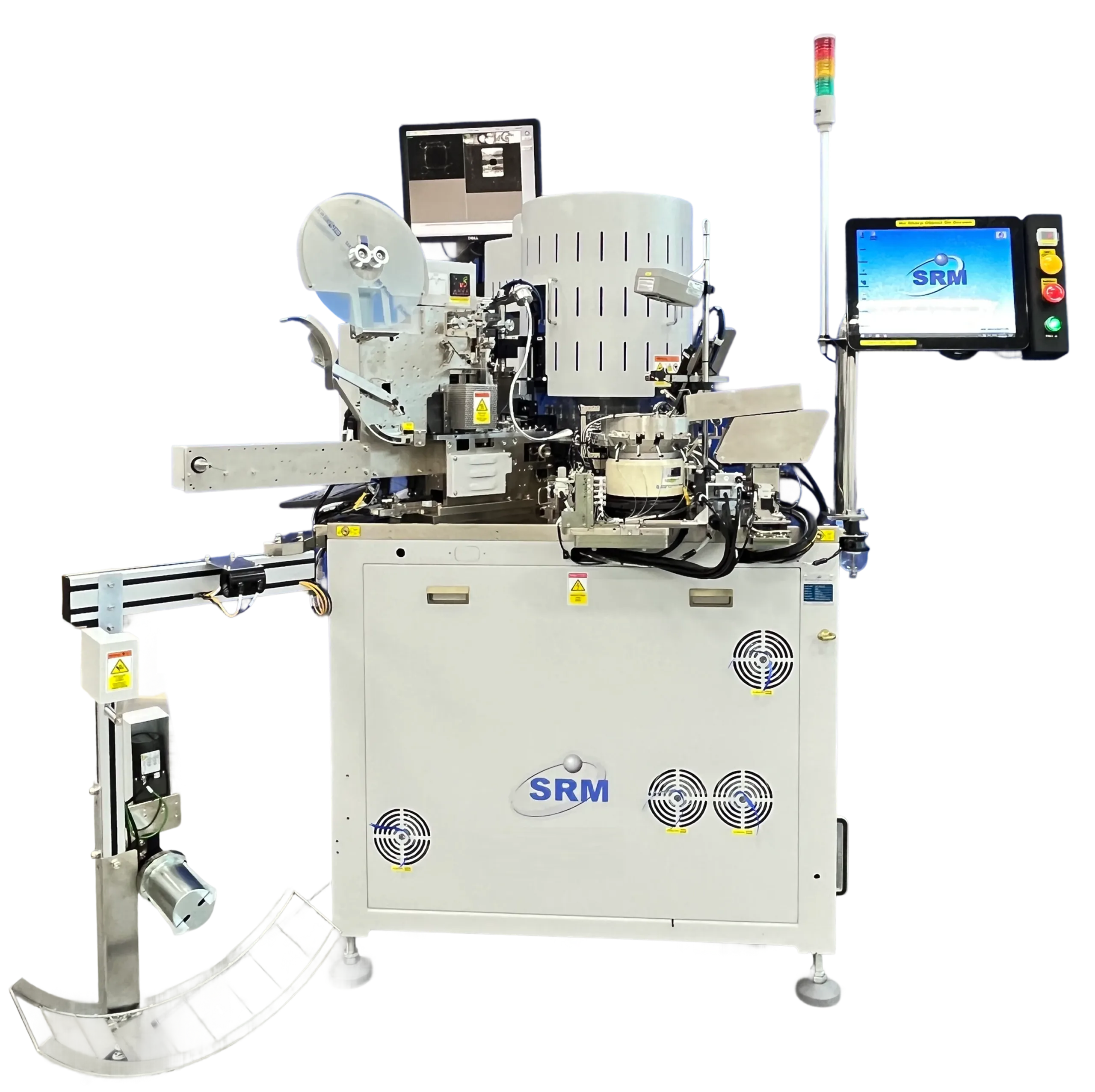
As semiconductor devices continue to become more compact and complex, manufacturers face increasing pressure to maintain production efficiency while meeting stringent quality requirements. A semiconductor test handler plays an important role in the back-end manufacturing process by automating device handling during electrical testing, helping ensure consistent throughput, reliable device positioning, and repeatable test results.
Choosing the right test handler is not simply about automation. It requires evaluating device characteristics, production targets, testing requirements, and future manufacturing needs to ensure the equipment supports both current and long-term operations.
Test handlers directly influence production efficiency by controlling how devices move through the testing process. An unsuitable handling system can lead to unnecessary downtime, lower throughput, inconsistent device handling, and increased maintenance requirements.
Selecting equipment that matches your manufacturing process helps improve:
For manufacturers operating high-volume production, these factors contribute to overall manufacturing efficiency and product quality.
The first consideration is the type of semiconductor devices being tested.
Different products require different handling methods depending on package size, dimensions, orientation, sensitivity, and loading mechanism.
For example:
The handling solution should be compatible with the device throughout the complete testing process without affecting positioning accuracy or handling stability.
Production volume has a significant impact on equipment selection.
Manufacturers operating continuous, high-volume production typically require automation capable of maintaining stable performance over extended operating periods while minimising production interruptions.
Factors to evaluate include:
Selecting equipment that aligns with expected production demand helps maintain manufacturing efficiency as output requirements increase.
Not every semiconductor application requires the same handling approach.
Depending on the product and manufacturing process, different handler designs provide different operational advantages.
Examples include:
Choosing the appropriate handling method helps optimise both production performance and device protection.
Modern semiconductor manufacturing increasingly combines testing with automated inspection to improve overall quality control.
If visual inspection is part of the manufacturing process, integrating Automated Optical Inspection (AOi) allows manufacturers to identify defects such as:
SRM’s 6-Sided AOI Inspection Handler combines AI-powered inspection with automated handling to support quality assurance in high-volume semiconductor production.
Selecting a semiconductor test handler should also consider downstream manufacturing processes.
For manufacturers using tape-and-reel packaging, automation solutions such as an Auto Reel Changer can help reduce manual reel replacement and maintain continuous production flow during packaging operations.
Considering how test handling integrates with subsequent production stages improves overall line efficiency.
Beyond technical specifications, manufacturers should evaluate the engineering expertise and support capabilities of the equipment supplier.
An experienced partner understands semiconductor manufacturing requirements and can recommend solutions that align with production objectives, device types, and automation strategies.
SRM develops integrated IC test handling solutions designed to support a wide range of semiconductor manufacturing applications through reliable automation and precision engineering.
When evaluating semiconductor test equipment, manufacturers should avoid decisions based solely on throughput specifications.
Common mistakes include:
A comprehensive evaluation helps ensure the selected solution supports both current production requirements and future operational growth.
Selecting the right semiconductor test handler involves more than choosing an automated handling system. Manufacturers should evaluate package compatibility, production volume, inspection requirements, automation integration, and long-term operational needs.
By selecting equipment that aligns with these requirements, semiconductor manufacturers can improve production efficiency, maintain consistent handling performance, and support reliable back-end manufacturing operations.
Whether you require high-speed handling, precise die handling, AI-powered optical inspection, or automated reel management, selecting the right equipment starts with understanding your production requirements. SRM offers integrated back-end semiconductor solutions designed to support reliable, efficient, and scalable manufacturing operations.
A semiconductor test handler automates the movement of semiconductor devices during electrical testing. It ensures consistent device positioning, supports stable production throughput, and reduces manual handling throughout the back-end manufacturing process.
The most suitable handler depends on the device type, package format, throughput requirements, and production process. Evaluating these factors helps manufacturers select equipment that provides reliable operation while supporting long-term production efficiency.
Yes. Some semiconductor test handling solutions can be integrated with Automated Optical Inspection (AOI) to inspect devices for defects such as misalignment, missing components, incomplete solder joints, and package damage during the manufacturing process.
The choice depends on the semiconductor package, handling method, production speed, and testing requirements. Different handler designs are developed to support specific manufacturing applications and production objectives.
Automation helps improve production consistency, reduce manual handling, support higher throughput, and maintain stable manufacturing processes. Integrated handling and inspection solutions also contribute to better product quality and operational efficiency.